


The Importance of Lubricating Garage Door Rollers

Why Lubricate Garage Door Rollers?
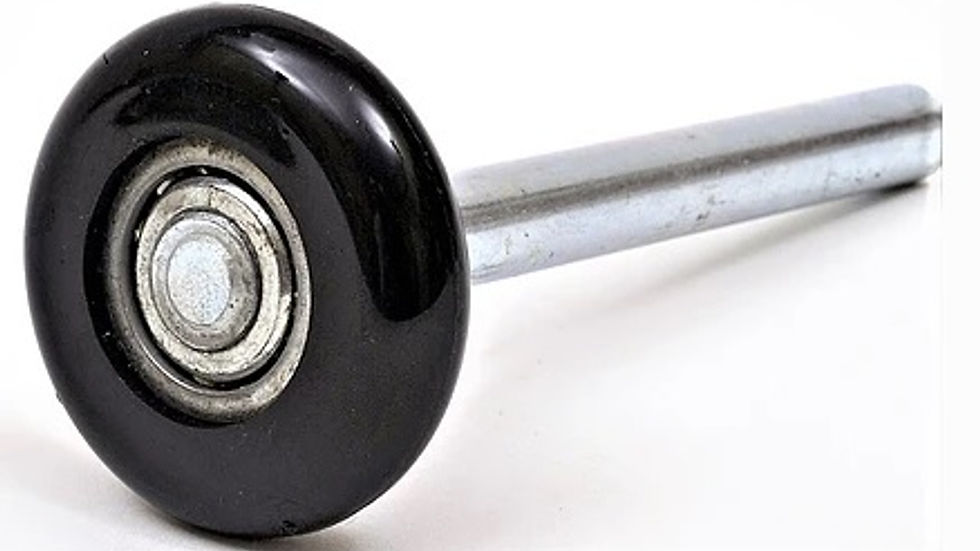
Garage door rollers are small wheels that run along the tracks on either side of the door. They allow it to open and close smoothly. Over time, dirt, dust, friction, and moisture can cause these rollers to dry out or corrode. This leads to increased friction, noisy operation, and even damage to the door mechanism.
Lubricating the rollers:
Reduces noise and vibration
Prevents rust and corrosion
Extends the lifespan of rollers and tracks
Ensures smooth and safe door movement
Saves money by avoiding costly repairs
Regular lubrication is a simple maintenance step that can prevent bigger problems down the line.
Types of Garage Door Rollers
Before lubricating, it helps to know what kind of rollers your garage door has. The two most common types are:
Steel rollers: These have metal wheels and bearings. They are durable but tend to be noisier.
Nylon rollers: These have nylon wheels with metal bearings. They operate quietly and require less lubrication but still benefit from occasional maintenance.
Knowing your roller type helps you choose the right lubricant and maintenance approach.
Choosing the Right Lubricant
Not all lubricants work well on garage door rollers. Avoid using grease or oil that attracts dirt or dries out quickly. The best lubricants for garage door rollers are:
Silicone-based spray lubricants: These provide long-lasting lubrication without attracting dust.
Teflon (PTFE) spray lubricants: Known for reducing friction and resisting dirt buildup.
Light machine oil: Can be used but may require more frequent application.
Avoid heavy grease or WD-40 as a long-term lubricant. WD-40 is a cleaner and water displacer but does not provide lasting lubrication.
Tools and Materials Needed
To lubricate your garage door rollers, gather the following:
Silicone or Teflon spray lubricant
Ladder (if needed to reach rollers)
Safety glasses and gloves (optional for protection)
Having these ready will make the process smooth and safe.
Step-by-Step Guide to Lubricate Garage Door Rollers
1. Prepare the Area
Start by clearing the area around the garage door. Make sure the floor is dry and free of obstacles. If your garage door is automatic, disconnect the power to avoid accidental operation during maintenance.
2. Inspect Rollers for Damage
Check each roller for signs of wear, cracks, or flat spots. Damaged rollers should be replaced rather than lubricated, as lubrication will not fix mechanical problems.
3. Apply Lubricant to Rollers
Spray the lubricant directly onto the roller bearings and the shaft where the roller spins. Avoid spraying excessive amounts to prevent drips and buildup.
For steel rollers, focus on the bearings and the wheel surface.
For nylon rollers, apply lubricant mainly to the bearings, avoiding the plastic wheel surface to prevent degradation.
4. Lubricate Other Moving Parts
While you have the lubricant ready, apply it to other garage door components such as hinges, springs, and tracks. This helps maintain overall door performance.
5. Operate the Door
Manually open and close the garage door several times to distribute the lubricant evenly. Listen for smoother, quieter operation.
6. Wipe Excess Lubricant
Use a clean cloth to remove any excess lubricant from the rollers and tracks to prevent dirt accumulation.
How Often Should You Lubricate Garage Door Rollers?
For most garage doors, lubricating rollers every 3-6 months is sufficient. If your door is used heavily or exposed to harsh weather, consider lubricating every three months. Regular checks will help you spot when lubrication is needed.
Safety Tips When Lubricating Garage Door Rollers
Always disconnect power to automatic doors before maintenance.
Use a sturdy ladder and avoid overreaching.
Wear safety glasses to protect your eyes from spray mist.
Avoid inhaling lubricant sprays; use in a well-ventilated area.
Do not lubricate the tracks themselves; they should be kept clean and dry.
Signs You Need to Lubricate or Replace Rollers
Loud squeaking or grinding noises when opening or closing
Jerky or slow door movement
Visible rust or corrosion on rollers
Rollers wobbling or not spinning freely
Door sticking or binding on the tracks
Addressing these signs early can prevent door failure and costly repairs.
When to Call a Professional
If you notice damaged rollers, broken springs, or if the door feels heavy or unbalanced, call a garage door technician. Some repairs require specialized tools and knowledge to ensure safety.
Conclusion
Maintaining your garage door is essential for its longevity and performance. By regularly lubricating the rollers, you can ensure smooth operation and avoid costly repairs. Remember, if you ever feel uncertain about the process, don’t hesitate to reach out for professional help. Keeping your garage door in top shape is not just about convenience; it also enhances the safety and security of your home.
For more tips on garage door maintenance, check out Local First Garage.


